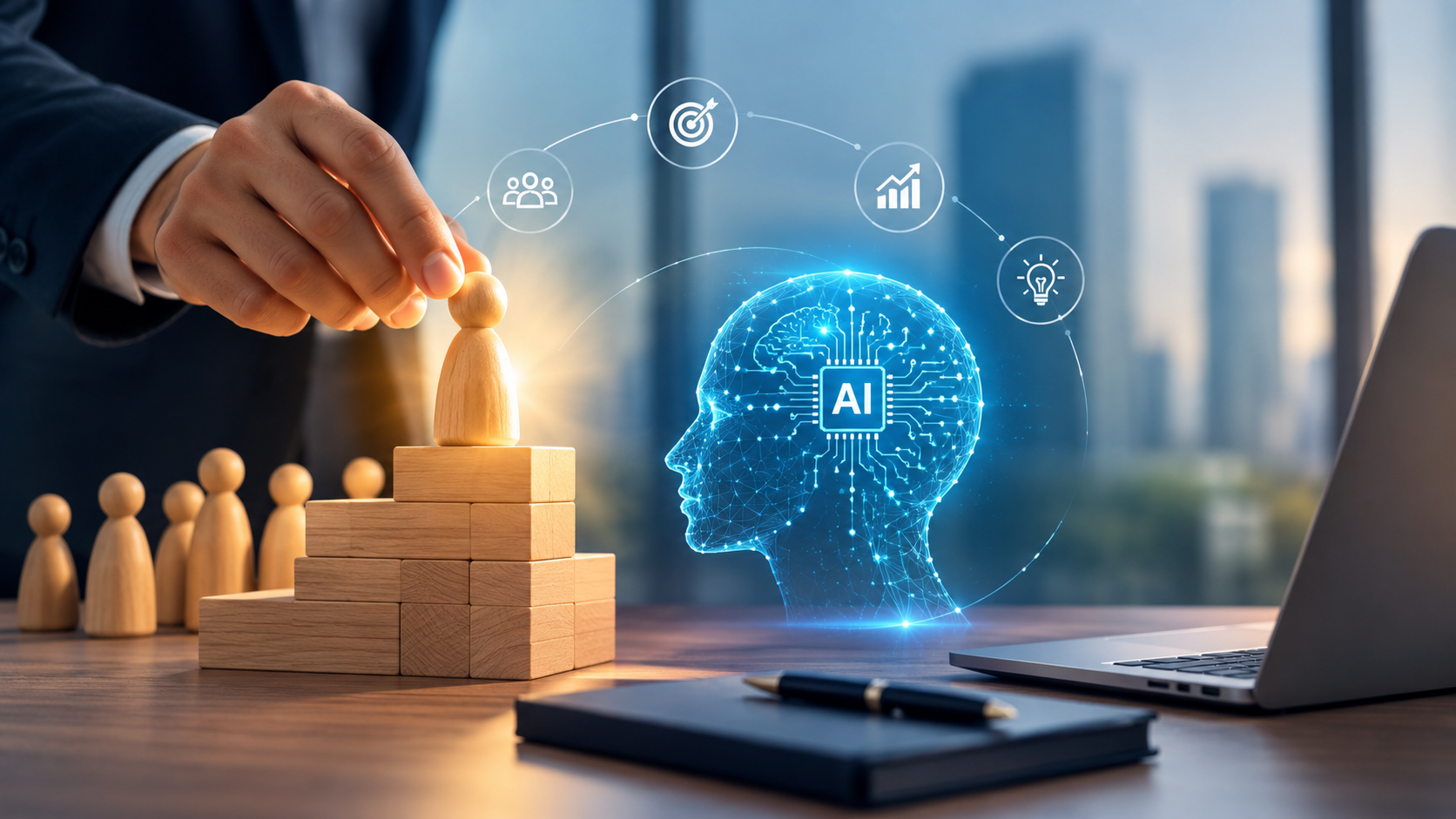
Leaders are under pressure to move quickly on AI while understanding what it means for their business and the people doing the work. That can be difficult when the technology is changing faster than an organization can assess its implications. A useful place to begin is with the work itself. What needs to improve, and where could AI help?
At The Daymark Group, we approach human-centered AI by examining the business purpose alongside the technology and the people affected. We want to understand what will need to change, whether the organization is ready, and who will remain accountable for the outcome.
What Human Centered AI Means in Practice
Human-centered AI means designing and using AI with attention to the people affected by it, including employees and customers. In practice, leaders need to consider how a proposed use will change the work, what could go wrong, and where human involvement is essential.
An AI tool might help a team review customer feedback or prepare an initial analysis. Someone still needs to check the information, understand what may be missing, and decide how to use it. Those responsibilities should be clear before the tool becomes part of the workflow.
Leaders also need to be candid about the implications for employees. Some tasks may become easier, while others may disappear or change substantially. A human-centered approach means addressing those possibilities openly and involving people in decisions that affect their work.
The Leadership Work Behind AI Adoption
AI adoption asks leaders to make decisions with incomplete information. Executives may be weighing investments while managers face questions about jobs, expectations, and the reliability of new tools. Leaders need enough understanding to ask informed questions and recognize when specialist advice is required.
This calls for discernment, the ability to distinguish a meaningful signal from a passing narrative and weigh the consequences of acting, waiting, or changing course. It also takes humility about what we do not yet know and the presence to address fear without amplifying it.
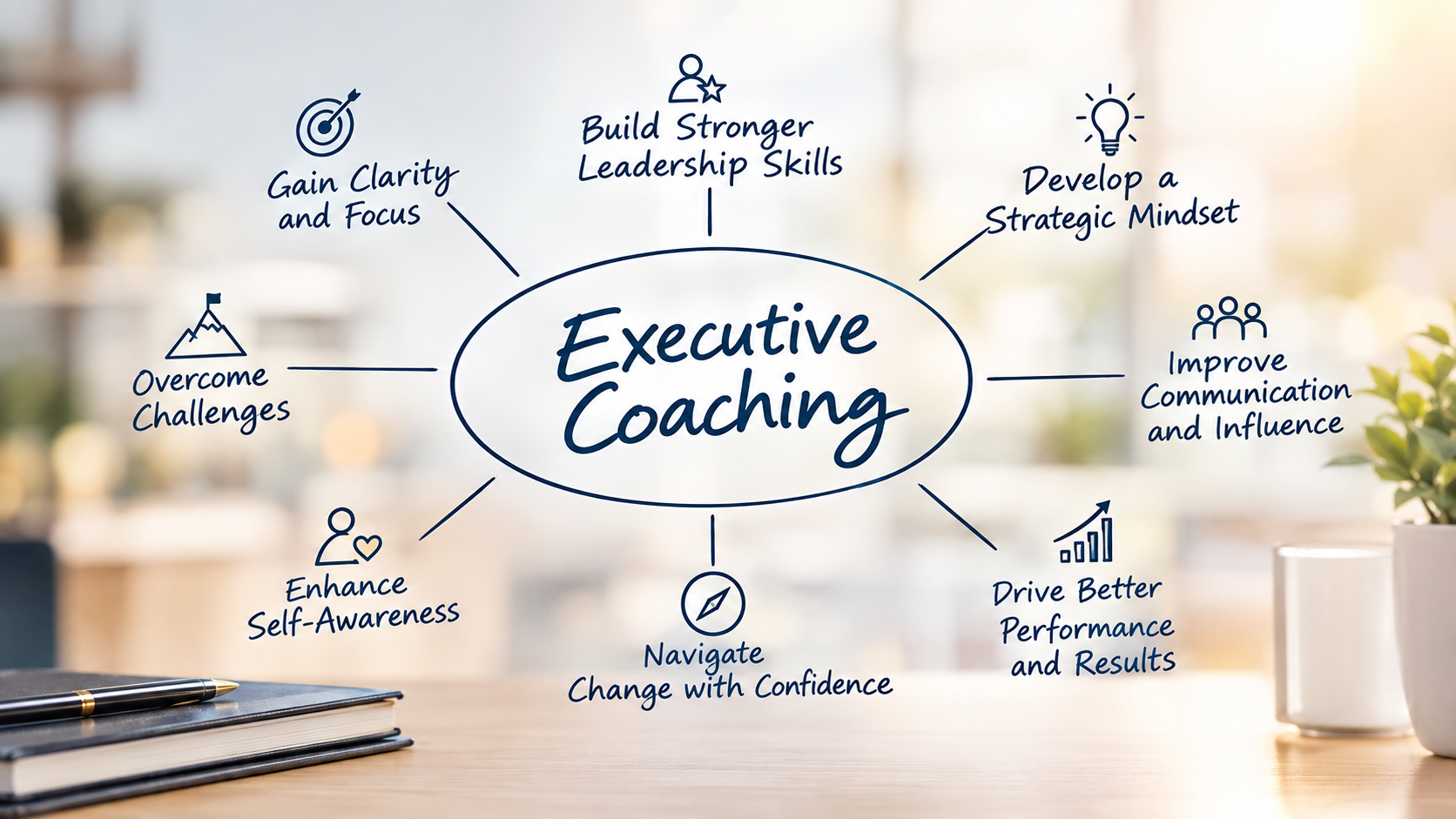
Executive leadership coaching can give leaders space to examine their responses to that pressure. Are they communicating more certainty than the situation warrants? Have they addressed concerns within the executive team? Are they making it possible for employees to question a proposed change?
The answers need to inform how leaders act, communicate, and respond when the evidence suggests a different course.
Improving Operational Efficiency
AI can help with routine work such as summarizing reports and preparing first drafts. The benefit depends on the whole workflow, including the time needed to review and correct the output.
Leaders should establish what improvement they expect and how they will assess it. If a tool saves time, managers also need to clarify how that time will be used. A faster task is useful when it contributes to a better business outcome.
Strengthening Decisions Through Better Use of Data
AI can help teams analyze information and identify patterns that deserve attention. Its usefulness depends on the quality of the data and whether the analysis is appropriate for the decision.
Leaders should ask where the information came from, what assumptions informed the recommendation, and what would happen if it were wrong. Accountability stays with the people authorized to make the decision.
Preparing Employees for Changes in Their Work
Employees need practical learning connected to the tasks they are expected to perform. That includes knowing how to check an output, protect sensitive information, and recognize when to seek help. Managers need to make time for that learning as responsibilities change.
People also need to be able to report mistakes or challenge an output without feeling that they are resisting progress. Psychological safety matters when employees are learning and when their concerns may reveal a problem leaders have missed.
Improving the Customer Experience
AI may help a business respond more quickly to routine requests or identify recurring service problems. Leaders should assess whether the change improves the experience for customers, including those whose needs fall outside what the system can handle.
Someone with a sensitive or complex concern needs a clear route to a person who can take responsibility. The quality of that handoff deserves attention when reviewing the results.
How AI Strategy Consulting Services Support Adoption
Organizations may have several tools in use and competing views about what to do next. Leaders need to determine which uses serve the strategy and what the business is ready to support.
AI strategy consulting services can help leaders evaluate potential use cases, data readiness, costs, and implementation requirements. That assessment should include leadership and workforce readiness, culture, and governance. A technically feasible project can still struggle when responsibilities are unclear or people have little capacity to absorb the change.
A practical plan identifies who owns the work, what safeguards apply, and how results will be measured. It also establishes when leaders will review the evidence and decide whether to continue, adjust, or stop.
At The Daymark Group, we bring leadership and organizational considerations into that assessment alongside the technical and operating questions. We help leaders understand what needs to change and what it will take to carry those decisions through implementation.
Building Trust During AI Transformation
Employees can be curious about AI and concerned about its implications at the same time. Leaders need to make room for both responses and understand the concerns behind hesitation.
Communication should distinguish what has been decided from what is still being explored. If the implications for roles are uncertain, say so. Explain how decisions will be made and when employees can expect another update.
Involve the people who understand the work in testing proposed changes. Their experience can reveal exceptions and practical obstacles that are easy to miss in an executive discussion or product demonstration.
Governance needs to be usable in everyday work. Employees should know which tools are approved, what information they may use, who reviews consequential outputs, and where to raise a concern.
A Practical Starting Point for Leaders
Choose one proposed or existing use of AI and review it with the people closest to the work. Establish what success would look like, who is accountable, and what evidence would cause you to reconsider.
Executive leadership coaching can support the discernment and conversations this requires. Leaders then need to stay close enough to implementation to understand whether the change is helping and address the consequences for people along the way.
Frequently Asked Questions
What is human centered AI
Human-centered AI considers the needs of people affected by a system and the consequences of its use. For leaders, that means connecting the business purpose with clear accountability, appropriate oversight, and attention to changes in work and roles.
How can AI strategy consulting services support organizational growth
AI strategy consulting services help leaders assess where AI could improve business performance and what adoption would require. This may include reviewing use cases, data readiness, costs, and governance, along with the organizational changes needed to support implementation.
How does executive leadership coaching support AI transformation
Executive leadership coaching helps leaders examine decisions, communicate through uncertainty, and address difficult questions about change. It can also support clearer conversations about priorities and accountability across the executive team, alongside the technical and operational expertise an AI initiative requires.
 September 15, 2026 · 7 min read
 January 24, 2026 · 1 min read
 January 24, 2026 · 1 min read